Reviewed · MADRID TOURS
Inquisition, The Executioner, Witches, Expulsion Jews and Muslims
Madrid’s Inquisition story is not confined to a museum. This walking tour follows it through central streets and squares, connecting sites such as Plaza de la Provincia and Plaza de la Cruz Verde with the history of trials, torture, executions, and religious persecution.
I like that the route gives Christianity, Islam, and Judaism space in the same conversation, and that the guide uses printed materials and teaching tools to help make difficult subjects easier to follow. I also like the final focus on Jewish and Muslim legacies, which gives the walk a broader purpose than simply recounting punishments.
One consideration: this is a serious subject, and several stops address torture and execution in direct terms. The walk also covers a lot in just over two hours, so you should expect a brisk, information-heavy experience rather than a slow visit inside historic buildings.
- Eight stops link the Inquisition to Madrid’s streets, with the walk beginning at Plaza Mayor and ending at Plaza de la Armería.
- The route covers trials, interrogation, and punishment, including the garrote vil and burning at the stake.
- Religious history is central, with discussion of Christians, Jews, and Muslims in Spain.
- Guides named in past tours include Jackie and David Onion, but your assigned guide may be different.
- The listed price is $3.61 per group of up to 15, while the activity allows a maximum of 30 participants. Check the final price for your party before booking.
- Tips, food, drinks, and site admission are not included. No paid entry is required for the stops.
Following the Inquisition through central Madrid
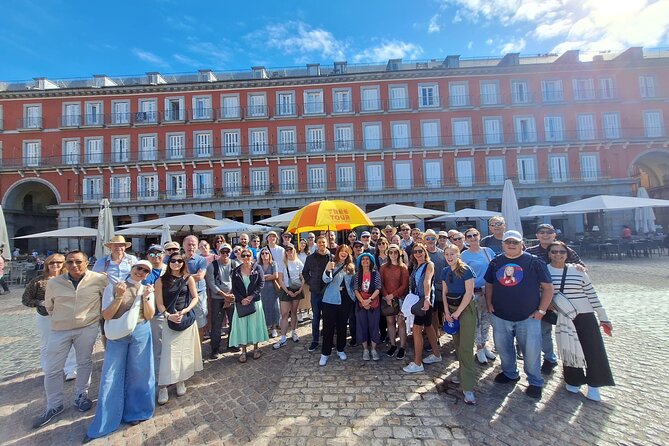
This tour uses Madrid itself as a teaching aid. Instead of spending the whole walk inside a gallery, you move among churches, plazas, and civic buildings while your guide explains how the Inquisition’s reach touched the city and its religious communities.
The route begins at Plaza Mayor, in central Madrid, and finishes at Plaza de la Armería, about a 10-minute walk from the starting point. The nearest stated Metro reference is Ópera, three minutes from the end point. The walk is about 2 hours and 15 minutes, with individual stops ranging from 10 to 20 minutes.
That timing matters. You get a structured overview, but not a long pause at every location. The guide’s explanations and teaching materials carry much of the experience; the stops are places to connect those stories to Madrid, not a set of interiors you enter. Admission is not required at the sites.
The tour is offered in English and includes a local guide, printed materials, and teaching tools. It also includes a link to personalized Madrid recommendations, plus the option of contacting the guide for personal attention after the tour. Those extras are useful if you want to turn one history walk into ideas for the rest of your stay.
Starting with three faiths at Iglesia de Santa Cruz
The first stop, Iglesia de Santa Cruz, sets the subject in a wider religious frame. Here the guide introduces the Inquisition’s relationship with Christianity, Islam, and Judaism, giving you the basic context for the stories that follow.
I like this opening because it signals that the walk is not only about the institution’s procedures or its punishments. The tour also asks how religious identity shaped life in Spain and how Jewish and Muslim communities fit into the history being discussed.
You spend about 15 minutes here, so expect an introduction rather than a full lecture on each faith. If you already know a great deal about the Inquisition, you may want to use this first section to listen for how the guide connects the broad subject to Madrid’s own sites.
A few more tours around Madrid worth booking
- Madrid: Tour Bernabéu Entry Ticket
★ 4.5 · 21,573 reviews - Madrid: Prado Museum Entry Ticket
★ 4.6 · 17,509 reviews - Madrid: Royal Palace Fast-Access Admission Ticket
★ 4.6 · 13,856 reviews
From investigation to confession at Plaza de la Provincia
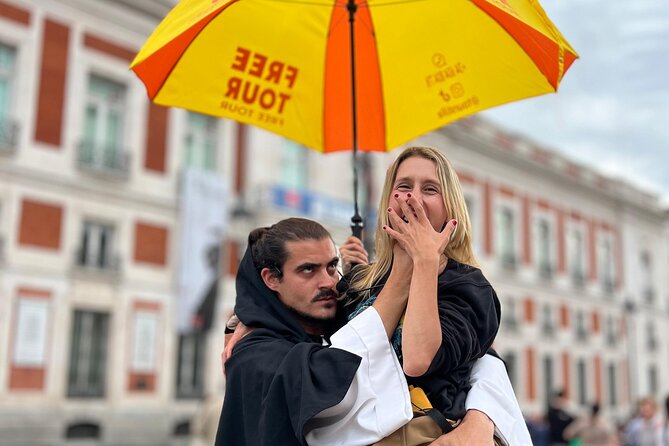
At Plaza de la Provincia, the focus turns to the executioner and the Inquisition’s investigative process. The guide discusses torture and confessions, subjects that make this one of the more unsettling stops.
You should expect frank historical content. The tour does not present the Inquisition as a string of dramatic legends; it addresses the mechanics of investigation and the pressure used to obtain confessions. That approach can help you understand how authority was exercised, while also making clear why the topic can be difficult.
The stop lasts about 15 minutes. There is no site admission to arrange, but this is a good point to decide how much detail you want from the guide. The tour is designed to cover the subject directly, not to soften its harsh parts.
The auto de fe and a famous painting at Casa de la Carnicería
At Casa de la Carnicería, the subject shifts to the auto de fe, the public ceremony associated with the Inquisition, and to what the tour calls Madrid’s major trial and its most famous painting. The supplied details do not identify the painting by name, so you can ask your guide which work is meant and what it depicts.
This stop offers a bridge between legal proceedings and public memory. A trial is not just a case file: it can become a public event, later remembered through images and retellings. The guide’s teaching materials may be especially helpful here, since they can make the visual reference clearer while you are standing outside the site.
You have around 15 minutes. That is enough for a focused explanation, but not a museum-style examination of a painting. If you enjoy art history, treat this as an introduction and make a note of the work’s name for later reading.
Suspicion and religious identity at the Basilica de San Miguel
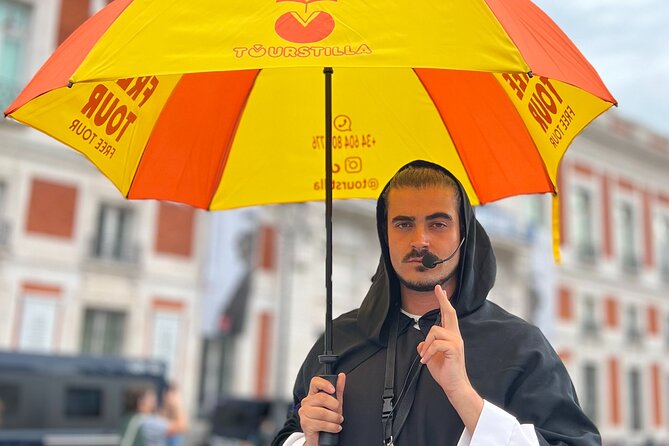
The Basilica de San Miguel stop examines how authorities sought to identify people they suspected of being false Jews or false Moors. The guide also discusses Edicts of Faith and false accusations.
This part of the walk deals with the gap between private belief and public suspicion. The questions raised are practical and uncomfortable: what signs were used to judge someone’s religious identity, who had the power to make an accusation, and what could follow from it? The tour’s wording signals that these are topics for explanation, not a simple checklist of traits.
You spend about 15 minutes here. The stop helps explain why the Inquisition’s history is about more than formal trials. It also concerns fear, social pressure, and the risks created by accusations. If you are visiting with children, consider whether this material is suitable for them, since the wider tour includes torture and executions.
Same city, a different kind of day:
- Madrid: “Emociones” Live Flamenco Performance
★ 4.8 · 12,866 reviews - Madrid: Panoramic Route City Tour
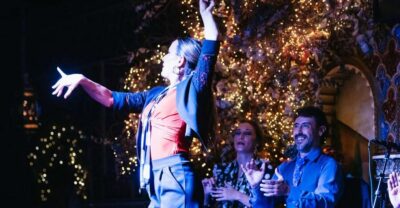
★ 4.1 · 12,259 reviews - Madrid: Live Flamenco Show with Food and Drinks Options
★ 4.5 · 9,901 reviews - Avila & Segovia Tour with Tickets to Monuments from Madrid
★ 5.0 · 9,762 reviews
Cisneros and Torquemada at Casa Cisneros
At Casa Cisneros, the guide sets historical figures Cisneros and Torquemada against each other. The stop is shorter, about 10 minutes, so expect a concise comparison rather than a long biography of either man.
The value of this pause is its focus on people and power. Institutions can feel abstract; named figures help you track who shaped the history and how leadership enters the story. The exact emphasis depends on the guide’s explanation, so listen for how the two figures are contrasted rather than assuming they played identical roles.
This is the briefest stop on the route. If you want more background on either figure, the tour can give you a starting point, but it is not designed to cover every historical personality in depth.
Punishments at Plaza de la Cruz Verde
Plaza de la Cruz Verde is the tour’s longest and most graphic stop, at about 20 minutes. Its topics include the Inquisition’s symbols and implementation, followed by forms of punishment such as hanging, beheading, the garrote vil, and burning at the stake.
The guide also brings in Bruges, though the supplied tour details do not explain the connection. Ask how it fits into the discussion if that reference is not clear during the walk. This is a useful reminder that the tour’s subject reaches beyond one square, but the local connection should be explained by the guide.
This stop is a major reason to choose the tour if you want a direct account of how punishment worked. It is also the clearest reason to skip it if you prefer a gentler introduction to Madrid’s past. The material is not presented as a light anecdote, and the walk gives it a substantial share of time.
Endings, archives, and legacies at Almudena Cathedral
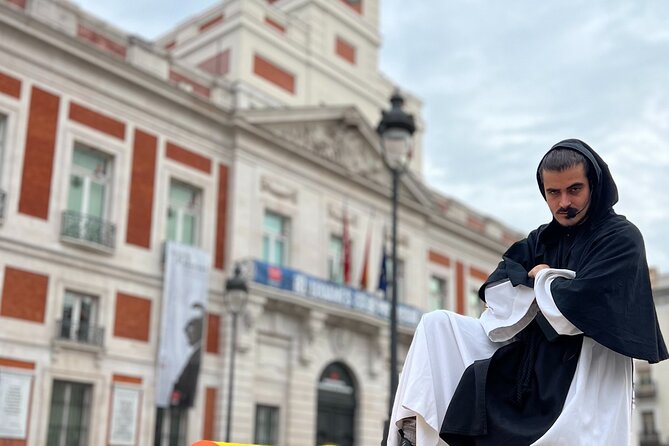
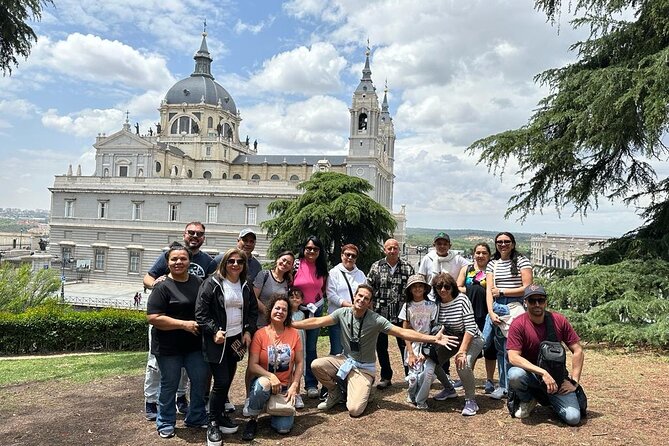
At the Cathedral of Santa María la Real de la Almudena, the discussion turns to the Vatican Archives, Pope John Paul II and the Catholic Church’s pardon, the end of the Inquisition, and what the tour frames as the last execution of the Inquisition. It also mentions a 1974 execution by garrote vil.
That list covers complex subjects quickly, so this stop is best understood as a closing chapter rather than a full account of every event. The tour links institutional history to later memory and to the question of how a religious institution addresses past harm. If you want to know exactly how the 1974 event relates to the end of the Inquisition, ask the guide to clarify the timeline.
The stop also returns to the legacies of Jews and Muslims in Spain. That shift matters: it keeps the story from ending only with court proceedings and punishment. You are invited to consider what remained in Spanish culture and society after the periods of persecution discussed on the walk.
Closing at Plaza de la Armería
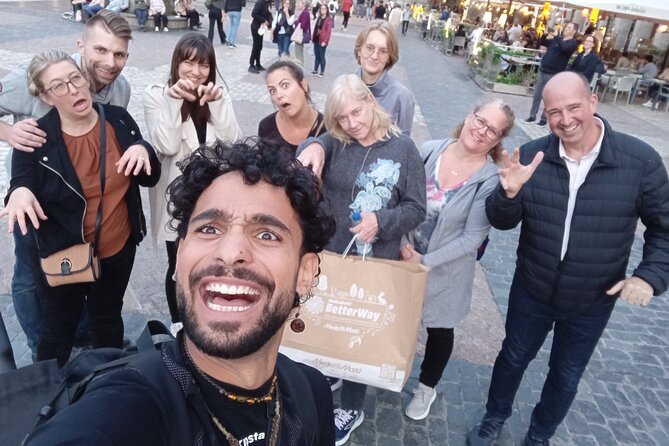
The final stop, Plaza de la Armería, looks at current religious conflicts and the idea of holy wars, then ends with a reflection on legacy. You spend about 20 minutes here, giving the guide room to draw connections between the historical material and the present.
This is a thoughtful way to finish, provided you are comfortable with a discussion that moves from specific Madrid sites to broader questions. The tour does not promise a single answer to those questions. Instead, it gives you a framework for thinking about religious conflict and the lasting effects of persecution.
The endpoint is near the Metro Ópera station, and it is about a 10-minute walk from Plaza Mayor. That makes it practical to continue exploring central Madrid afterward. The route’s stated finish is Plaza de la Armería, not the original meeting point, so plan your next stop from there.
What the guide adds to the walk
The guide is the key variable in a tour built around explanation. Jackie and David Onion are names associated with past tours, and the descriptions of their work point to two useful qualities: clear explanations and an ability to keep the group engaged. David was described as using dramatic delivery to make the material easier to follow, while Jackie was praised for making it interesting and accessible.
Those names are examples, not a guarantee of who will lead your departure. The tour’s maximum group size is 30, and the listed price is for a group of up to 15. If you are choosing this walk, think of the guide’s storytelling as central to its value, especially because the tour moves quickly and spends no time inside paid attractions.
The tone around tips also appears worth noting. Tips are not included, but the guide explains the usual tipping procedure at the end, and one account describes that explanation as tactful and without pressure. You can bring a small amount if you plan to tip, but the supplied information does not state a required amount.
Cost, timing, and who will get the most from it
The listed price is $3.61 per group of up to 15, which is low for a guided walk of more than two hours. Still, check the total shown for your booking and party size before confirming. The activity itself allows up to 30 participants, so the price description and the maximum group size are not the same thing.
The guide, printed materials, teaching tools, and follow-up recommendations are included. Tips, food, drinks, and paid entries are not, although no admission is needed for the stops. In practical terms, your main purchase is the guide’s interpretation and the organized route through the subject.
The tour is a good fit if you want a focused introduction to the Inquisition, especially its relationship with Madrid and the histories of Jewish and Muslim communities in Spain. It also suits visitors who prefer an outdoor city walk to a museum visit and who are comfortable with difficult material.
It may be a poor match if you want a light sightseeing stroll, dislike graphic accounts of punishment, or need long stretches to explore each site independently. The route gives you set explanations at eight stops, and the overall pace is designed to cover a lot in about 2 hours and 15 minutes.
Should you book this Madrid history walk?
Book it if you want a guided, site-based introduction to the Inquisition that addresses its procedures, punishments, and religious context without requiring museum admission. The strongest reasons to go are the focused route, the inclusion of Jewish and Muslim legacies, and the chance to hear a guide make a difficult subject clear.
Skip it if the content sounds too heavy for your group or if you would rather spend your time inside historic sites. Before booking, check the exact price for your party and remember that the guide may not be Jackie or David Onion. If those points suit you, this is a compact way to understand a difficult chapter of Madrid’s past.
FAQ
How long is the tour?
It lasts about 2 hours and 15 minutes.
Where does the tour start?
It starts at Plaza Mayor in central Madrid.
Where does the tour end?
It ends at Plaza de la Armería, about a 10-minute walk from Plaza Mayor.
What language is the tour offered in?
The tour is offered in English.
How many people can join?
The activity has a maximum of 30 participants. The listed price is for a group of up to 15.
Is admission to the stops included?
No paid admission is required for the sites on this route.
What is included in the tour?
A local guide, printed materials, teaching tools, a link to personalized Madrid recommendations, and personalized attention from the guide after the tour are included.
Are food, drinks, or tips included?
No. Food, drinks, and tips are not included.
How far is the end point from a Metro station?
Plaza de la Armería is stated to be three minutes from Metro Ópera.
Can I cancel for a refund?
You can cancel up to 24 hours before the experience starts for a full refund. Cancellations or changes made less than 24 hours before the start time are not accepted for a refund or change.
Just added in Madrid
- Prado Museum VIP Tour with Drinks & Tapas★ 5.0 · 4 reviews
- Prado and Reina Sofia Museums Private Tour★ 5.0 · 6 reviews
- Prado Museum and Royal Palace Private Tour★ 5.0 · 18 reviews
- Prado Museum and Royal Palace Private Tour in Madrid★ 5.0 · 3 reviews
- Prado Museum Private Tour★ 5.0 · 62 reviews
- Visita privada al Museo del Prado★ 5.0 · 34 reviews
- Prado Museum and Reina Sofia Museum Private Tour★ 4.5 · 6 reviews
- Prado Museum Private Tour with Tickets Included★ 5.0 · 3 reviews
Madrid Tours, compared.
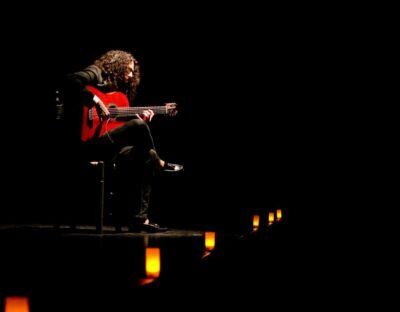
Live Flamenco Show with Food and Drinks Options
Read our review →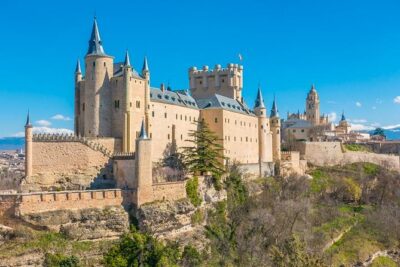
Avila & Segovia Tour with Tickets to Monuments from Madrid
Read our review →