
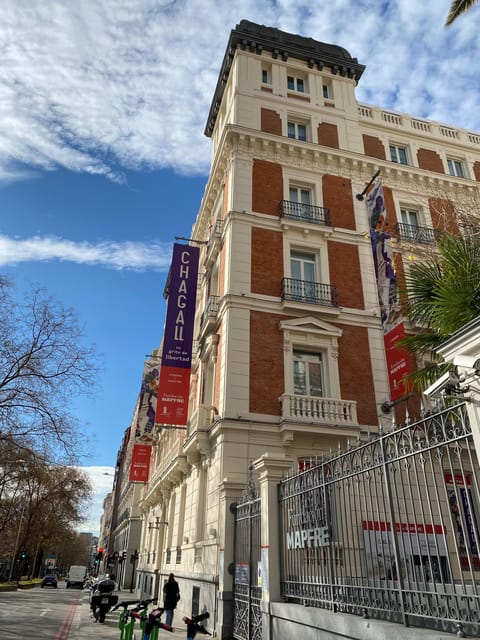
Reviewed · MADRID PHOTO TOURS
Mapfre Foundation Madrid – Photography Exhibitions
At Fundación MAPFRE, two artists offer sharply different ways to look at the world: Anders Zorn painted portraits, nudes, and scenes of Swedish life, while Helen Levitt photographed the fleeting gestures of New York street life. I like the contrast between Zorn’s international career and Levitt’s close attention to everyday city scenes. I also like that you can follow the exhibitions at your own pace with a free audio guide.
One thing to check before paying: the listed ticket costs $5, but a booking complaint raised a concern about being charged when entry was free. Admission arrangements can change, so confirm the current price and any free-entry conditions before you reserve.
Five things to know before you go
- Two temporary exhibitions run through May 17, 2026: Anders Zorn’s travels and return to Sweden meet Helen Levitt’s photographs of New York.
- The subjects are worlds apart: Zorn moved among international patrons and Swedish daily life; Levitt watched children play and neighbors go about their day.
- The art program reaches beyond photography: You can also find painting, prints, and sketches, with attention to work from the late 19th through the mid-20th century.
- A free audio guide is included: Scan a QR code in the exhibition rooms and listen in English or Spanish using your phone.
- Bring headphones and check the price: Headphones are needed, and the advertised $5 ticket may not be the best choice if free admission is available for your visit.
Two exhibitions, two ways of seeing
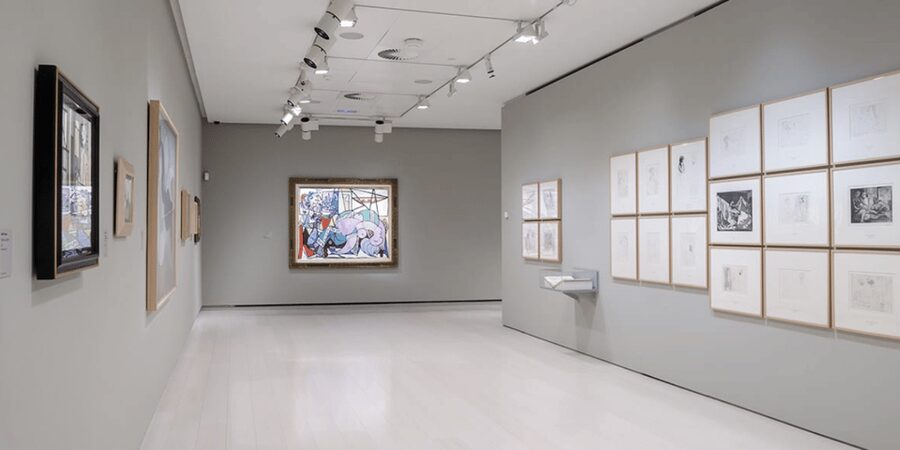
Fundación MAPFRE brings together visual art and photography, and its current pair of temporary exhibitions makes a strong case for seeing both. Anders Zorn and Helen Levitt share a talent for looking closely, but their subjects and methods are very different. One made his name as a painter and printmaker; the other built a long career in photography.
Zorn’s exhibition follows an artist who moved between places and artistic circles. Born into a humble background in Sweden, he became an internationally known portraitist whose sitters included kings, presidents, and celebrities. His work ranged across oil painting, watercolor, and printmaking, and he was also known for his nudes.
Levitt’s photographs bring you down to street level. She spent more than seven decades developing a distinctive view of urban life, with a particular focus on New York. Children at play, small gestures, and working-class neighborhoods became central subjects. Her exhibition gathers nearly 200 works in nine sections, tracing her career from early photographs to cinematic explorations.
The difference in scale is part of the pleasure. Zorn’s story covers travel, artistic development, portrait commissions, and a return to everyday life in Mora. Levitt’s exhibition asks you to pay attention to the small moments that can disappear if you hurry past them. Together, the shows make for a varied visit rather than two versions of the same art lesson.
More photo tours and shoots around Madrid:
- IKONO: a Unique Sensory and Photographic Experience
★ 4.5 · 1,916 reviews - Photographic tour of Madrid with a professional photographer
★ 5.0 · 104 reviews - Madrid: Private Photoshoot at the Retiro Park
★ 4.9 · 76 reviews
Following Anders Zorn from Sweden to Paris
Zorn’s exhibition is built around movement: from his early watercolors and time in England to his years in Paris, later travel in the United States, and eventual return to Mora. The route gives you a way to understand how an artist from a modest background became an internationally sought-after portraitist.
Paris is a key chapter. Zorn’s reputation took shape there under the influence of Impressionism, and the exhibition places that period within the wider story of his career. His skill across watercolor, oil, and printmaking matters here: you are not looking at an artist tied to one medium, but at someone who adapted his approach to different subjects and forms.
His portraits of powerful and famous sitters are one side of the story. His return to Mora brought a stronger focus on ordinary Swedish life, a shift that gives the exhibition a human counterpoint to the glamour of an international career. That change of subject is worth watching for as you move through the show. It helps explain why the title pairs world travel with memory of home.
The exhibition also includes Zorn’s Spanish works and his artistic connection with Joaquín Sorolla. That link gives the show a local point of interest for a Madrid visit. Rather than treating Zorn as a distant Swedish figure, it places him in conversation with an artist closely tied to Spain.
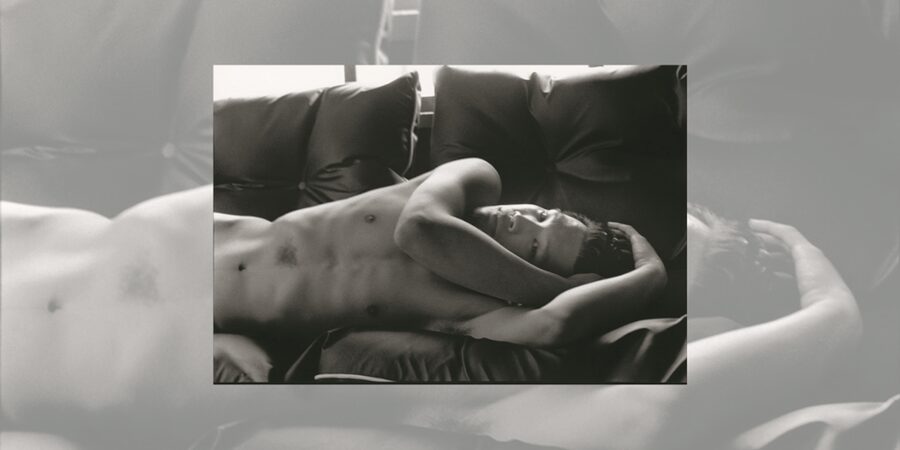
A reproduced work noted for the exhibition is Midnight, from 1891. The image is credited to Zornmuseet in Mora. It is a useful reminder that the show’s story spans more than travel and portraiture: Zorn’s celebrated nudes were also an important part of his standing as an artist.
Seeing New York through Helen Levitt’s camera
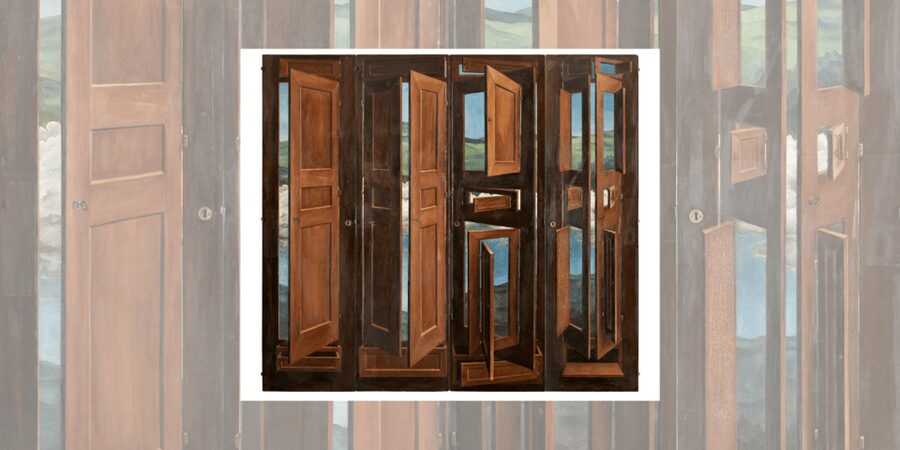
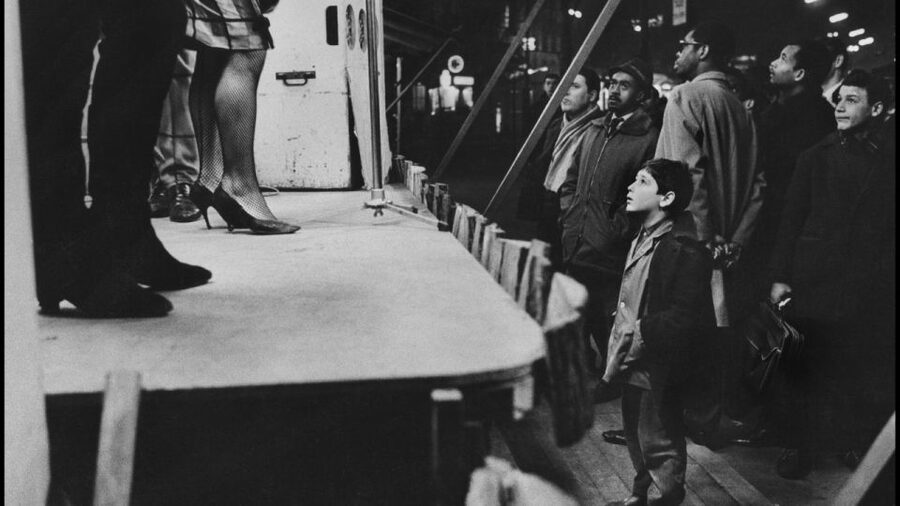
Helen Levitt began photographing in the late 1930s, with the streets of New York as her central subject. Her pictures focus on children playing, everyday gestures, and working-class neighborhoods. These are modest moments, not grand public events, and that is precisely what gives the exhibition its pull.
Nearly 200 works are arranged across nine sections. That scale gives you room to follow Levitt’s development rather than treat the photographs as a quick selection of highlights. The exhibition also includes her cinematic explorations, giving you a broader view of her work than street photography alone might suggest.
Levitt’s social commitment is part of the way the exhibition frames her career. The photographs draw attention to people and places that can be overlooked, without turning ordinary life into a spectacle. You may find yourself spending longer with a single image than expected, noticing the gestures and relationships in the scene.
A photograph identified as New York, from around 1940, is credited to Film Documents LLC, courtesy of Zander Galerie in Cologne. It points to the period when Levitt was beginning to shape her distinctive approach. The exhibition’s nine-part structure should help you place individual images within that larger career.
What the broader art program adds
The temporary exhibitions sit within a venue devoted to visual arts and photography by established and emerging artists from international and local scenes. The wider collection and program include painting, photography, and sketches, with a focus on work from the late 19th century to the mid-20th century.
That mix is useful if you want more than a single-artist show. You can come for Zorn or Levitt and still get a sense of the foundation’s wider interests in image-making. The balance between historic art and contemporary photography also helps make the venue relevant to visitors with different tastes.
Past exhibitions have included the painter Leonora Carrington. Her work was praised for its presentation and lighting, and for the way individual paintings could seem to hold several images at once. That is a helpful clue about the kind of visual attention the venue can reward, though temporary programs change. Check what is on during your visit rather than assuming a past exhibition is still showing.
A few more tours around Madrid worth booking
- Madrid: Tour Bernabéu Entry Ticket
★ 4.5 · 21,573 reviews - Madrid: Prado Museum Entry Ticket
★ 4.6 · 17,509 reviews - Madrid: Royal Palace Fast-Access Admission Ticket
★ 4.6 · 13,856 reviews - Madrid: “Emociones” Live Flamenco Performance
★ 4.8 · 12,866 reviews
Taking the audio guide at your own pace
The standard ticket includes a free audio guide in English and Spanish. You access it by scanning a QR code in the exhibition room, so you need a mobile device and an active internet connection. If your mobile data is switched off or unavailable, the venue has free Wi-Fi.
Bring your own headphones. They are required so your listening does not disturb other people in the galleries. Headphones can also be bought at the ticket counter for €1, but availability may mean a wait. If you are on a tight schedule, carrying a pair saves a small errand.
The audio guide can add useful context to shows that cover several periods and subjects. With Zorn, it can help you connect his travels, changing techniques, and return to Mora. With Levitt, it can give the photographs a career-wide frame instead of leaving you to interpret every image in isolation.
You are not required to follow a fixed tour or a named guide. The experience is self-paced, which suits visitors who like to linger, skip ahead, or return to a work. The trade-off is that your phone becomes part of the visit, so charge it beforehand and make sure you can connect.
Is the $5 ticket good value?
At $5 per person, the stated price is modest for access to two temporary exhibitions and the wider art program. The audio guide is included, and the exhibitions offer distinct subjects, formats, and historical settings. If you plan to take your time with both shows, there is plenty to consider for a low-cost museum visit.
Still, price clarity deserves attention. A booking complaint concerned being charged when entry was free. That does not establish that admission is always free, or that the same condition applies to your date, but it is reason enough to check the foundation’s current admission details before buying a voucher. Compare the ticket price with the venue’s own entry information for your visit.
The experience is valid for one day, but that describes the ticket validity, not a set visit length. No precise gallery duration is provided. You can decide how much time to spend based on your interest in the exhibitions and the wider collection.
The voucher is exchanged at the ticket desk. The venue is wheelchair accessible, and the free audio guide is available in English and Spanish. These practical details make the visit straightforward for many people, though the phone-and-headphones setup is worth planning for.
Who will get the most from this visit?
I would choose this experience if you enjoy art but do not want a full-day commitment built around a guide or a rigid schedule. The two exhibitions offer plenty of contrast: Zorn suits visitors drawn to painting, portraiture, and the movement of artists across countries, while Levitt will appeal to anyone interested in documentary photography and ordinary city life.
It is also a good option if you want to add an indoor cultural stop to a Madrid day. The international and Spanish connections in Zorn’s exhibition give the show local relevance, while Levitt’s focus on New York provides a different urban perspective. You do not need specialist knowledge to appreciate either subject, though the audio guide may help you see how the works fit into each artist’s career.
If you are choosing mainly on price, check whether admission is free on your planned date before booking. If the $5 charge is confirmed and you want to see both temporary exhibitions, the included audio guide and broader art program make the ticket easier to justify. If you only want a quick look at one show, compare the available entry options first.
Should you book Fundación MAPFRE?
Book it if the Zorn and Levitt exhibitions interest you, you value a self-paced visit, and you are happy to use your phone for the audio guide. The contrast between Zorn’s travels and return to Swedish life and Levitt’s street-level New York photographs gives the visit a clear focus.
Before you pay, verify the current admission price and free-entry terms. Bring headphones, check that your phone can connect, and leave yourself enough time to look closely at both shows. That small bit of planning makes this an appealing, low-cost art stop rather than a ticket-counter surprise.
FAQ
What exhibitions can I see?
Through May 17, 2026, the temporary exhibitions feature Anders Zorn and Helen Levitt. Zorn’s show follows his career and travels; Levitt’s presents nearly 200 works across nine sections.
How much does admission cost?
The stated ticket price is $5 per person. Check current admission information before booking, since free-entry conditions may apply.
How long is the ticket valid?
The ticket is valid for one day. A specific visit duration is not provided.
Is an audio guide included?
Yes. The standard ticket includes a free audio guide accessed through a QR code in the exhibition room.
What languages are available for the audio guide?
The audio guide is available in English and Spanish.
Do I need internet access for the audio guide?
Yes. You need a mobile device with an active internet connection to access it. Free Wi-Fi is available in the venue if you do not have mobile data.
Do I need to bring headphones?
Headphones are required. You can bring your own or buy a pair for €1 at the ticket counter, subject to availability.
Where do I exchange my voucher?
Exchange your voucher at the ticket desk.
Is the venue wheelchair accessible?
Yes, the activity is listed as wheelchair accessible.
Just added in Madrid
- Prado and Reina Sofia Museums Private Tour★ 5.0 · 6 reviews
- Prado Museum and Royal Palace Private Tour★ 5.0 · 18 reviews
- Prado Museum VIP Tour with Drinks & Tapas★ 5.0 · 4 reviews
- Prado Museum and Royal Palace Private Tour in Madrid★ 5.0 · 3 reviews
- Prado Museum Private Tour★ 5.0 · 62 reviews
- Visita privada al Museo del Prado★ 5.0 · 34 reviews
- Prado Museum and Reina Sofia Museum Private Tour★ 4.5 · 6 reviews
- Prado Museum Private Tour with Tickets Included★ 5.0 · 3 reviews
Madrid Photo Tours, compared.

IKONO: a Unique Sensory and Photographic Experience
Read our review →
Photographic tour of Madrid with a professional photographer
Read our review →

Browse the lists this tour appears in