
Reviewed · MADRID TOURS
Leathercraft Workshop in the Rastro of Madrid
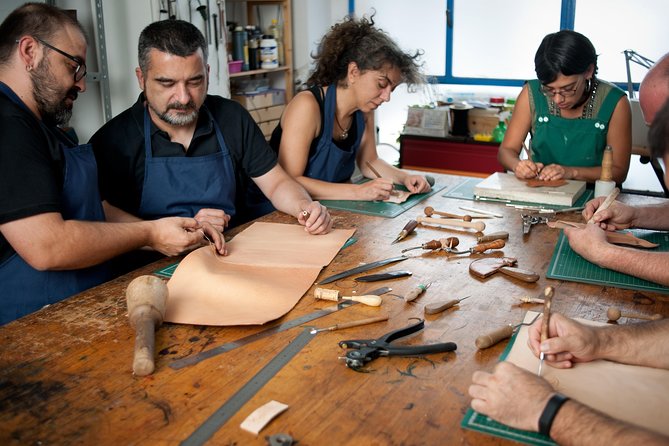
Madrid’s Rastro district is known for its old shops and handmade wares, and this workshop lets you take home something more personal than a market find: a leather item you make yourself. Over about three hours, you’ll learn to handle traditional tools, choose Spanish cowhide and shape a piece you can use long after the trip.
I like two things in particular: the hands-on instruction adapts to your project, and the finished item can be personalized with stamping or embossing. One consideration: the studio is on the fifth floor, and finding the entrance and elevator can be confusing, so allow extra time to locate it.
What makes this workshop worth considering
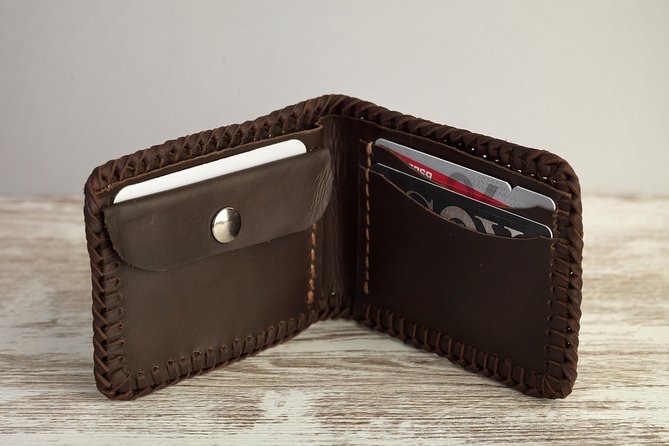
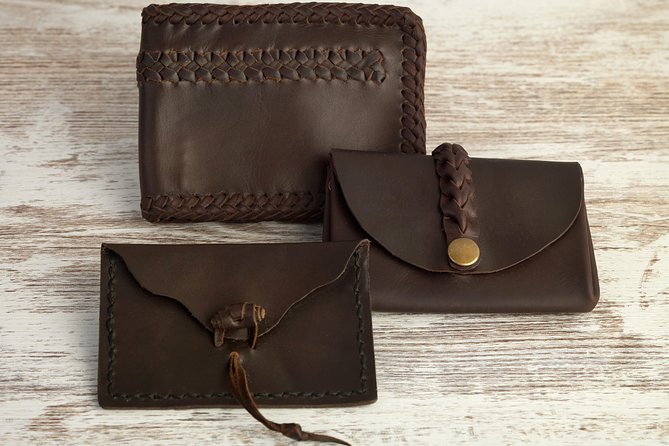
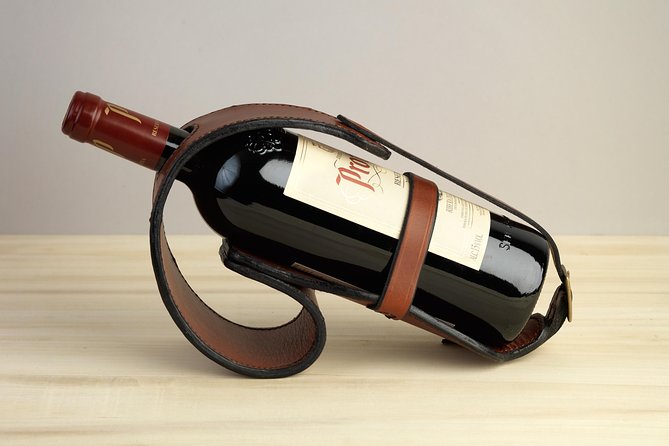
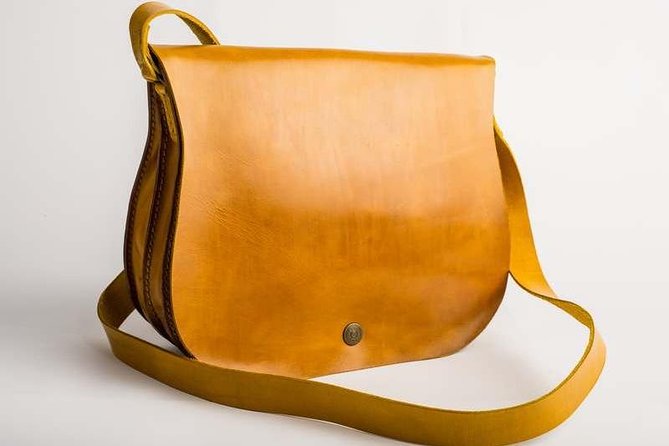
- You make a useful souvenir: Choose a wallet, purse, bag, glasses case or passport booklet.
- You work with Spanish cowhide: The instructor introduces different kinds of leather and how they can be used.
- Traditional tools are part of the lesson: Many of the tools have changed little since medieval times.
- Your project can be personal: Ask about a custom design in advance if you have a specific idea.
- The setting is intimate: The activity is listed as private for your group, with a small-workshop feel.
- A drink and appetizer are included: Choose wine, beer or a soft drink while you work.
Make something, not just another souvenir
A leathercraft class is a welcome change from Madrid’s grand museums and busy sightseeing days. Instead of looking at finished objects behind glass, you learn how one takes shape, then leave with your own work in hand. The pace is practical and social: you listen, try a technique, ask for help and keep going.
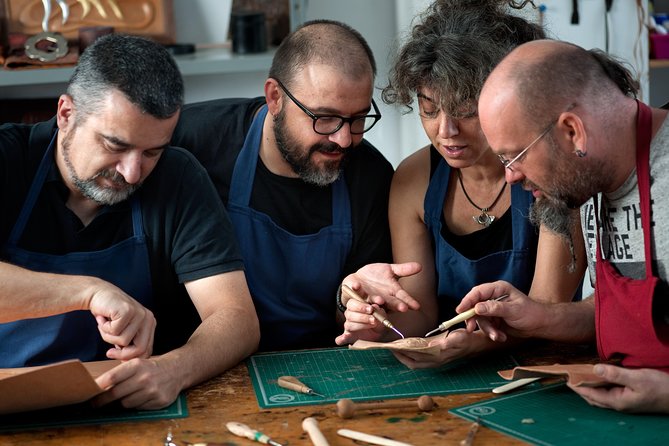
Instructor Michael is originally from Ireland and speaks English, so you don’t need to know Spanish to follow the lesson. He explains the tools and the choices involved in working with leather, then gives guidance suited to the item you’ve chosen. The atmosphere is described as relaxed, with time for conversation as well as making.
The workshop is suitable for beginners and people who have worked with leather before. That range matters. If you’re new to the craft, you can learn the basics with support; if you already know a little, you may be able to shape the session around a more ambitious idea. The instructor’s help is especially useful when a project needs to be adjusted to fit the available time.
More hands-on workshops around Madrid:
- Spanish Cooking Class Paella Tapas and Sangria in Madrid
★ 5.0 · 1,340 reviews - Madrid: Paella and Sangria Workshop in the City Center
★ 4.9 · 1,264 reviews - Paella Cooking Class in Madrid with Bottomless Wine Pairing
★ 5.0 · 985 reviews
Choosing your leather and project
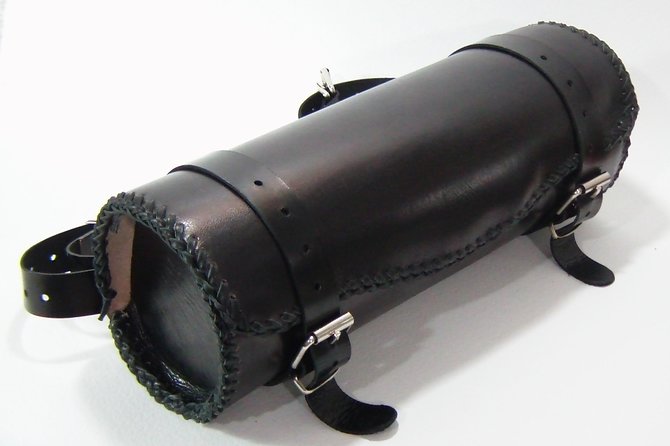
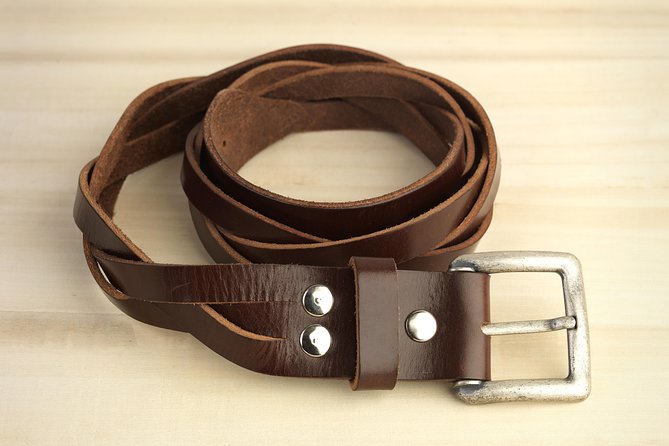
You can choose among several items: a bag, with or without a strap; an original glasses case; a wallet; a passport booklet; or a purse. The workshop also allows for a different design, such as a handbag, phone case or belt pouch. If you want to make something beyond the standard options, tell the instructor beforehand. A custom piece needs planning, and it’s better to settle the idea early than spend your workshop time working out what might be possible.
Part of the fun is choosing the leather itself. You’ll be introduced to different kinds of leather and their uses, and the class includes choices about the material and color. That bit of decision-making makes the finished object feel like yours from the start, rather than a kit everyone assembles in the same way.
Do keep the three-hour limit in mind when choosing a project. A wallet or glasses case is a clear, manageable goal; a larger or more elaborate design may need to be simplified. Families have found the instructor willing to help adjust a plan to suit different ages and abilities, but the final scope still depends on what can be made during the session.
From traditional tools to a finished piece
The lesson begins with an introduction to leatherworking tools, many of which have roots in much older craft traditions. The point isn’t to turn you into a master artisan in one afternoon. It’s to help you understand what each tool does and how to use it with care.
Once you’ve chosen a project and leather, you’ll work through the steps needed to shape it. Depending on your item, that can mean cutting the leather, punching holes and sewing pieces together. The instructor demonstrates and guides you as you go, with help focused on your specific project rather than a single one-size-fits-all demonstration.
You can also decorate the piece with stamping or embossing. This is where a simple wallet or case can take on a more individual look. Some participants have learned about finishing techniques such as waxing or varnishing vegetable-tanned leather, though the precise techniques you use will depend on the project and the work at hand.
Expect to do the work yourself. That’s the appeal, and also the reason the result may carry small signs of your own learning. You’re not just choosing a finished product from a shelf. You’re using your hands, following a process and getting help when a step proves tricky. The sense of accomplishment is part of what makes this a memorable Madrid keepsake.
A small studio, with room for conversation
The workshop is a private activity for your group, rather than a large class with a crowd of unfamiliar participants. That can make it easier to ask questions and work at a pace that suits you. The session includes a glass of wine, beer or a soft drink, plus an appetizer, adding a sociable pause to the making.
The setting is informal. Music and conversation have been part of the experience for some groups, and the instructor also shares stories about Madrid and Spanish history. These conversations can make a hands-on class feel connected to the place, not like an activity that could happen anywhere.
Still, this is a working craft space, not a polished classroom. One account describes a session where the instructor was also occupied with advanced students, which made the environment less helpful for learning. That appears to be an exception among mostly positive experiences, but it’s a useful reminder: the value depends on receiving enough individual attention. If a project is complex or you’re unsure of a step, speak up and ask for guidance.
A few more tours around Madrid worth booking
- Madrid: Tour Bernabéu Entry Ticket
★ 4.5 · 21,573 reviews - Madrid: Prado Museum Entry Ticket
★ 4.6 · 17,509 reviews - Madrid: Royal Palace Fast-Access Admission Ticket
★ 4.6 · 13,856 reviews - Madrid: “Emociones” Live Flamenco Performance
★ 4.8 · 12,866 reviews
Finding the studio near the Rastro
The meeting point is C. de Carlos Arniches, 9, 5 4, Centro, 28005 Madrid. The activity ends at the same place. The workshop is near public transportation, and service animals are allowed.
The address needs a little care. The entrance is on the fifth floor, and some people have found the building poorly marked or the elevator difficult to locate. I’d arrive with time to spare rather than cutting it close. Check the precise meeting details before setting out, and don’t assume the workshop door will be obvious from the street.
The location places you in La Latina, a good area to explore after your session. The Rastro is Madrid’s famous flea market district, and La Latina has vintage and handicraft shops worth browsing. The class itself is the main event, but you can pair it with a wander through the neighborhood for a pleasant half-day plan.
Is $60.34 a fair price?
At $60.34 per person for about three hours, this costs more than buying a small leather souvenir, but the comparison isn’t quite fair. The fee covers a guided, hands-on workshop, the use of tools, leather for your project and a drink with an appetizer. You also leave with an item you made and the basic experience of how leathercraft works.
The value is strongest if you enjoy making things or want a break from sightseeing that still gives you a lasting memento. If you simply want a wallet or passport cover, a shop purchase will be quicker and may cost less. But the class adds instruction, material choices and the satisfaction of making it yourself.
The experience is booked, on average, about 23 days ahead. That’s a useful planning signal, especially if you have a specific date in mind. It doesn’t mean you must book exactly three weeks out, but I wouldn’t leave it until the last moment if this is a priority.
Who will enjoy this most?
This is a good fit for couples, families with older children, friends and solo visitors who like hands-on activities. Families have completed projects across a wide range of ages, including children as young as seven, with the work adapted to each person’s ability. Teens have also enjoyed designing projects and learning simple techniques.
Solo visitors can take part, too. A one-on-one session has been described as enjoyable, with the craft providing an easy way to talk while working. If you prefer a formal lesson with a set curriculum and highly structured instruction, this relaxed studio may feel a little informal. If you enjoy learning by doing, chatting and making choices as you go, that informality is a plus.
People who already work with leather may appreciate the chance to learn about materials and finishing, but the class is still a short introduction rather than an advanced course. Bring a clear project idea if you have one, and discuss it before the workshop.
Should you book it?
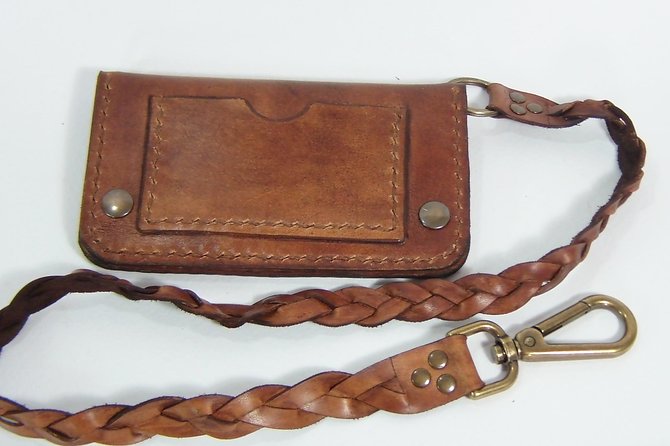
Book this workshop if you want a personal, useful souvenir and would rather make something than spend another afternoon shopping. The best parts are the choice of project, the chance to work with real Spanish cowhide and the patient, individualized approach associated with instructor Michael. It offers a welcome change of pace in a district closely tied to Madrid’s craft and market culture.
Think twice if you need a highly polished classroom, a guaranteed custom design without advance discussion, or a quick activity. The studio can be tricky to find, and the informal teaching style may not suit everyone. For curious beginners, creative families and anyone who likes bringing home a story as well as an object, it’s a strong choice.
FAQ
How long does the leathercraft workshop last?
The workshop lasts about three hours.
What can I make during the class?
You can choose a bag, glasses case, wallet, passport booklet or purse. A custom project may also be possible if you tell the instructor beforehand.
Is the workshop suitable for beginners?
Yes. It is suitable for beginners as well as people with previous leatherworking experience.
Is the class offered in English?
Yes. Instructor Michael speaks English and is originally from Ireland.
What materials and techniques are used?
Participants work with Spanish cowhide and learn to use leathercraft tools. Projects may involve cutting, punching holes and sewing, and you can decorate your item with stamping or embossing.
Are drinks or food included?
Yes. The workshop includes a glass of wine, beer or a soft drink, plus an appetizer.
Where does the workshop start and end?
It starts at C. de Carlos Arniches, 9, 5 4, Centro, 28005 Madrid, and ends at the same meeting point.
Is this a private activity?
Yes. It is listed as a private activity, with only your group participating.
What is the cancellation policy?
You can cancel for a full refund up to 24 hours before the experience starts. Cancellations or changes made less than 24 hours in advance are not accepted for a refund.
Just added in Madrid
- Prado and Reina Sofia Museums Private Tour★ 5.0 · 6 reviews
- Prado Museum and Royal Palace Private Tour★ 5.0 · 18 reviews
- Prado Museum VIP Tour with Drinks & Tapas★ 5.0 · 4 reviews
- Prado Museum and Royal Palace Private Tour in Madrid★ 5.0 · 3 reviews
- Prado Museum Private Tour★ 5.0 · 62 reviews
- Visita privada al Museo del Prado★ 5.0 · 34 reviews
- Prado Museum and Reina Sofia Museum Private Tour★ 4.5 · 6 reviews
- Prado Museum Private Tour with Tickets Included★ 5.0 · 3 reviews
Madrid Tours, compared.



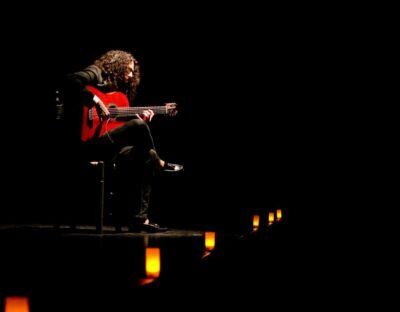


Live Flamenco Show with Food and Drinks Options
Read our review →
Avila & Segovia Tour with Tickets to Monuments from Madrid
Read our review →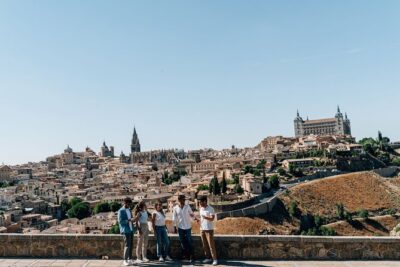
Three Cities in One Day: Segovia, Avila and Toledo from Madrid
Read our review →Browse the lists this tour appears in