
Reviewed · MADRID MUSEUM TOURS
Las Ventas Madrid Bullring & Bullfighting Museum with Audioguide
Las Ventas is more than a ring of sand and steep seats. It is a working bullfighting venue with a striking Neo-Moorish façade, a maze of passages behind the arena, and a museum that explains how bullfighting became part of Spanish cultural life. This self-guided visit lets you see the arena from ground level without attending a bullfight.
What I like most is the freedom to move at your own pace, and the chance to stand inside the ring rather than view it from the stands. I also like that the museum brings together Goya prints, twentieth-century bullfighters’ costumes, and a section on Manolete, giving the visit more substance than an architecture stop alone.
The main consideration is that access can change on bullfight days or during special events, and temporary works may block parts of the arena. Check the day’s opening details before you go, and allow flexibility if seeing the whole ring is important to you.
What makes this visit worthwhile
- Walk onto the arena floor: Seeing the ring from ground level gives you a sense of its scale that the exterior alone cannot provide.
- Trace the bullfighters’ route: Explore the callejón, the narrow passage around the ring, and see the Door of Madrid, used by victorious bullfighters.
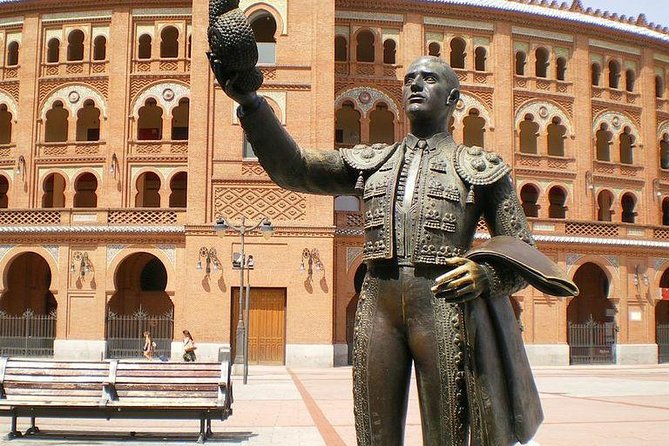
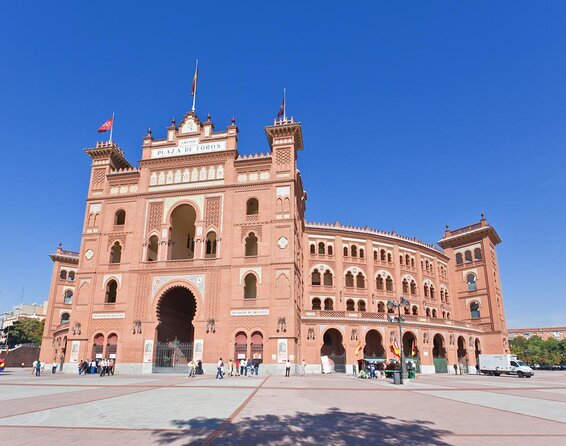
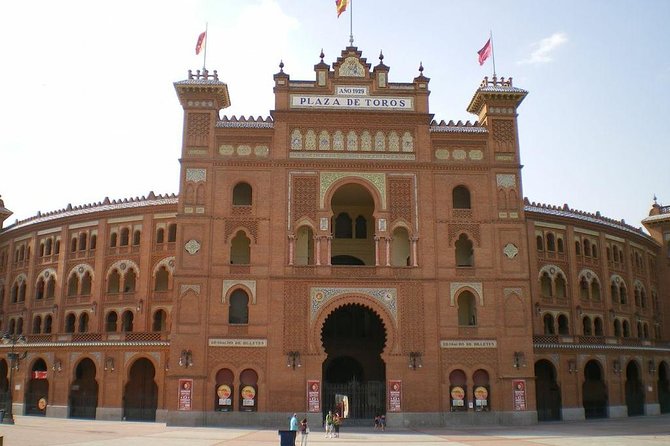
- Read the building as part of the story: Ceramic tiles and plaques bearing the emblems of Spain’s provinces decorate the Neo-Moorish brick façade.
- See Goya and Manolete in context: The museum brings together bullfighting prints, costumes, and objects tied to the history of Las Ventas.
- Try the virtual bullfight: A 360-degree San Isidro Fair scene offers a simulated view of the arena and the matador’s role.
- Go on your own schedule: The audio-guided visit is self-paced, with an approximate duration of one hour and room to linger.
Inside Madrid’s bullfighting cathedral
Las Ventas is often called the Bullfighting Cathedral, and its size helps explain the nickname. Built in 1929 on land known as Las Ventas del Espíritu Santo, the bullring covers 45,800 square meters and holds 23,797 people. It is Spain’s largest bullring and one of the most important venues in the sport.
You do not need to be a bullfighting fan to find the visit worthwhile. The tour gives you a look at a major Spanish tradition, while also raising questions about a practice that remains contentious. The audio guide explains the customs and history rather than asking you to accept one point of view. That makes this a useful visit for anyone who wants context before deciding how they feel about the sport.
The self-guided format is a good fit here. You can pause to take in the building, listen to the commentary, and spend more or less time at each stop. The visit takes about an hour at a steady pace, but the museum and photo opportunities can easily extend it.
More museum tours around Madrid:
- Madrid: Prado Museum Entry Ticket
★ 4.6 · 17,509 reviews - Madrid: Reina Sofía Museum Entrance Ticket
★ 4.5 · 6,889 reviews - Madrid: Small Group of Prado Museum Tour & Optional Tapas
★ 4.6 · 2,437 reviews
The arena floor, stands, and callejón
The main attraction is the chance to enter the bullring itself. From the sand, the high tiers of seating and the curve of the arena become easier to appreciate. It is also the spot for memorable photos, and the wide open space gives the venue a different character from the enclosed passages and displays.
The tour takes you around key parts of the stadium, including the tendidos, the seating levels where spectators watch the fight. The audio guide helps explain how the venue works and the roles played by the people involved in a bullfight. If you are new to the subject, those details help make sense of the layout rather than leaving you with a collection of unfamiliar Spanish terms.
Look for the callejón, the passage that runs around the edge of the ring. It is used by matadors as a route of escape when a bull is charging. The Door of Madrid is another point to seek out: it is the gate associated with victorious bullfighters leaving the arena. These details make the tour feel less like a quick look at an empty stadium and more like a walk through the choreography of an event.
The arena is also where access can be affected by events or maintenance. Some areas have been closed during construction, and special arrangements may alter the route. If you arrive and discover that part of the ring is unavailable, the museum and the rest of the tour may still be worth your time, but the arena floor is a central reason to come. Check conditions before setting out if the full walk-through matters most.
Neo-Moorish details worth slowing down for
Las Ventas was designed by Spanish architect José Espeliú and opened in 1931. Its brick exterior is a fine example of Neo-Moorish style, with decorative ceramic tiles and glazed plaques displaying the emblems of Spain’s provinces. It is easy to focus on the arena and miss the building itself, so take time to look up and around as you approach the main entrance.
The architecture gives the stadium a strong sense of place. It does not look like a generic sports venue, and the tilework links the building to Spanish decorative traditions. Even if you have little interest in bullfighting, the exterior and the stadium’s scale make it a rewarding stop for anyone interested in Madrid’s architecture.
A little patience pays off with photos. The gates, tiled walls, and arena offer different backdrops, and interactive photo opportunities are part of the visit. The tour is not a live guided walk, so you will not have a guide on hand to answer questions as you go. In exchange, you can spend time where your interest lies.
The Bullfighting Museum and its collection
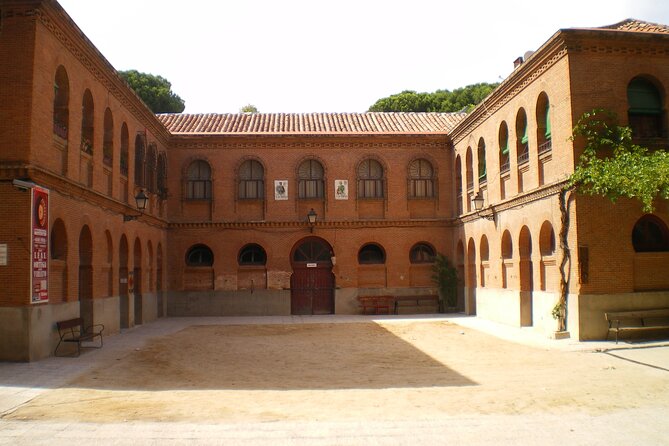
The Bullfighting Museum of Madrid sits in the Patio de Caballos, an evocative section of the building. Its collection tells the story of bullfighting through art, clothing, and objects connected with Las Ventas. The museum is included in the tour package, though its opening or access can be affected by restoration or other changes.
Goya’s bullfighting engravings are among the most notable works. They offer a visual record of the sport and its traditions, while the twentieth-century bullfighters’ costumes show the elaborate dress worn in the ring. Look for the trajes de luces, the richly decorated suits, and the capotes, the large capes used in the bullfight.
A dedicated section focuses on Manolete, one of the most famous names in bullfighting. The museum also includes a substantial display of objects and records connected with the history of Las Ventas. This material gives the stadium a human dimension: the ring is not just architecture, but a workplace, a public stage, and a place with a long record of triumph and danger.
The museum is a strong reason to stay after the arena tour. Some visitors find it the most interesting part, particularly if they want the history and visual culture without attending an actual bullfight. If you are short on time, do not rush through it. The exhibits add context to what you have just seen in the ring.
A few more tours around Madrid worth booking
- Madrid: Tour Bernabéu Entry Ticket
★ 4.5 · 21,573 reviews - Madrid: Royal Palace Fast-Access Admission Ticket
★ 4.6 · 13,856 reviews - Madrid: “Emociones” Live Flamenco Performance
★ 4.8 · 12,866 reviews - Madrid: Panoramic Route City Tour
★ 4.1 · 12,259 reviews
Audio guide and virtual reality
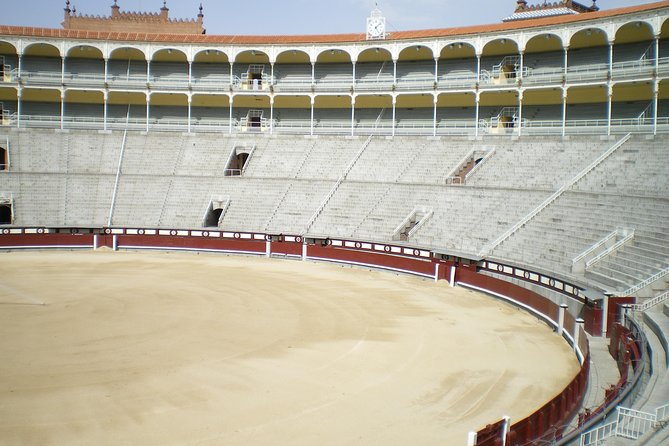
The audio guide provides the structure for the visit, explaining the history of bullfighting in Spain and the role of Las Ventas. You can listen as you move through the stadium and museum, rather than keeping pace with a group. The narration is designed to be clear and informative, though an audio guide cannot answer follow-up questions like a live guide can.
The subject is not simple. Bullfighting has roots in older traditions, including contests in which Spanish nobles fought bulls on horseback. King Felipe V outlawed that practice in the eighteenth century, but the tradition continued in a different form, with men fighting on foot. The audio commentary helps explain how the familiar corrida de toros developed and why it remains a significant, disputed part of Spanish life.
The virtual reality section adds a more playful element. You can put on a headset and experience a simulated bullfight at the San Isidro Fair, with a view intended to place you in the matador’s position. The visit also includes a 360-degree San Isidro Fair virtual reality scene. Interactive features and photo opportunities can make the tour more engaging for families, though the historical displays remain its strongest draw for many adults.
Price, timing, and getting there
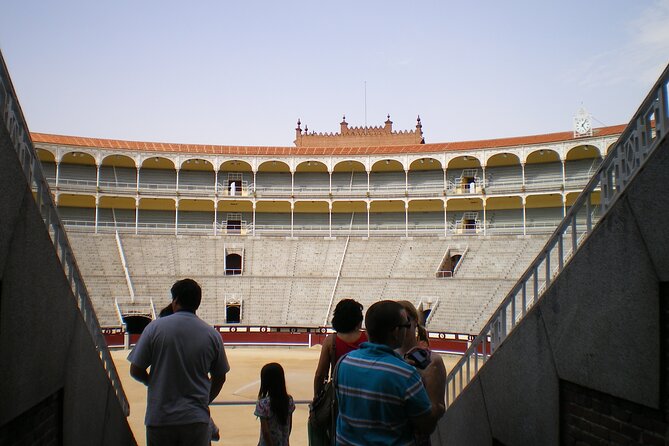
At about $20.52 per person, the ticket offers more than a quick look inside the arena: it includes the audio-guided stadium visit, the museum, and virtual reality features. The value is strongest if you take time to see both the ring and the collection. One past visitor noted that the museum could be free to enter independently, so the ticket’s main value is best judged by the combined access and interactive elements, not by the museum alone.
The tour is self-guided and takes roughly one hour, although you can linger longer. It is close to public transportation, with the metro especially convenient for reaching the venue. Hotel pickup, drop-off, food, and drinks are not included. There is an on-site café if you want refreshments during your visit.
Opening hours vary by season. From May through October, the usual schedule is 10 a.m. to 7 p.m., with last entry at 6:15 p.m. From November through April, hours are usually 10 a.m. to 6 p.m., with last entry at 5:30 p.m. The supplied schedule also gives daily hours of 10 a.m. to 6 p.m. for December 2026 through March 2027, so confirm the hours for your date rather than relying on a general seasonal rule.
On bullfight days, the tour ends three hours before the event begins. During the San Isidro Fair, visits are listed from 10 a.m. to 3:30 p.m.; during the Autumn Fair, from 10 a.m. to 4 p.m. Special events, bullfights, or other circumstances can change the route or schedule, and the tour may not operate on some bullfight days. Check current access details before making this a fixed part of a tightly planned day.
Who should book the Las Ventas tour?
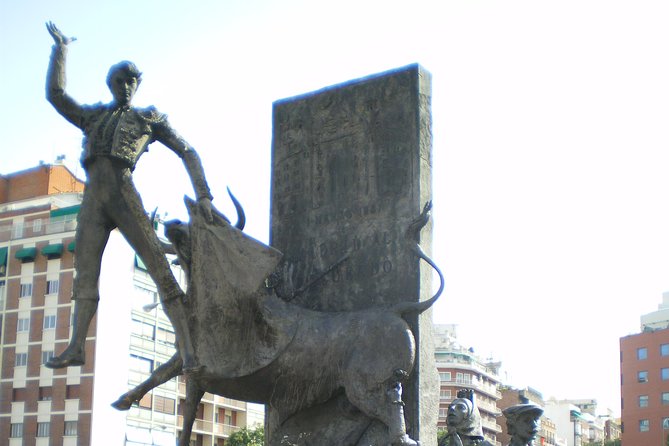
This is a good choice if you want to understand bullfighting without buying a ticket to a live event. You can see the arena, learn the vocabulary and traditions, and visit the museum, all at your own pace. It also suits architecture fans, history-minded visitors, and families who like combining displays with interactive activities.
If you are strongly opposed to bullfighting, the visit may still be useful as a way to understand a contested cultural tradition, but the subject is present throughout. If you want a live guide or a chance to ask questions, this audio-led format may feel limited. And if your priority is an unobstructed arena view, check for construction or special-event changes before booking.
I would book it if you are curious about Spanish culture and want a substantial indoor visit that does not require attending a bullfight. The combination of arena access, museum, and virtual reality makes the price reasonable for an hour or more of exploration. Keep your plans flexible, and treat the museum and architecture as part of the visit, not just the arena floor.
FAQ
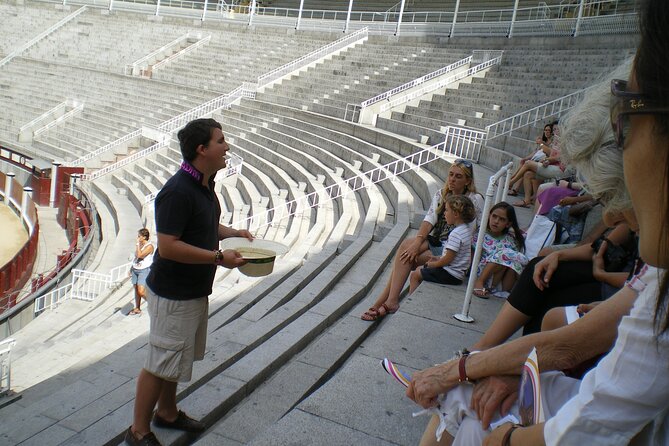
How long does the Las Ventas tour take?
The visit takes about one hour. Because it is self-guided, you can spend longer in the arena and museum if you wish.
Is the tour guided by a person?
No. It is a self-guided audio tour, so you can move through the venue at your own pace.
Is the Bullfighting Museum included?
Yes. The tour package includes entrance to the Bullfighting Museum of Madrid and an audio guide.
What can I see in the museum?
The collection includes Goya’s bullfighting engravings, twentieth-century bullfighters’ costumes, a section devoted to Manolete, and material related to Las Ventas.
Does the ticket include virtual reality?
Yes. The visit includes virtual bullfighting and a 360-degree San Isidro Fair virtual reality feature.
What are the opening hours?
Hours vary by season. From May through October, the usual hours are 10 a.m. to 7 p.m., with last entry at 6:15 p.m. From November through April, they are usually 10 a.m. to 6 p.m., with last entry at 5:30 p.m. Check the schedule for your date, since events can change access.
Can I visit on a bullfight day?
Access is limited on bullfight days. The tour may end three hours before the event, and special schedules apply during fairs. The route or operating hours can also change, so confirm before you go.
Just added in Madrid
- Prado and Reina Sofia Museums Private Tour★ 5.0 · 6 reviews
- Prado Museum and Royal Palace Private Tour★ 5.0 · 18 reviews
- Prado Museum VIP Tour with Drinks & Tapas★ 5.0 · 4 reviews
- Prado Museum and Royal Palace Private Tour in Madrid★ 5.0 · 3 reviews
- Prado Museum Private Tour★ 5.0 · 62 reviews
- Visita privada al Museo del Prado★ 5.0 · 34 reviews
- Prado Museum and Reina Sofia Museum Private Tour★ 4.5 · 6 reviews
- Prado Museum Private Tour with Tickets Included★ 5.0 · 3 reviews
Madrid Museum Tours, compared.
Small Group of Prado Museum Tour & Optional Tapas
Read our review →
Prado Museum Guided Tour with Skip-the-Line Ticket
Read our review →
Prado Museum Small Group Tour with Skip the Line Ticket
Read our review →
Royal Palace & Prado Museum Skip the Line Guided Tour
Read our review →Browse the lists this tour appears in